
Blog
The Hidden Order in Control Panels: Why Cable Ducts Are Essential for Industrial Wiring

In industrial electrical systems, efficiency is not only determined by powerful machinery or advanced automation—it is also shaped by how well the system is organized. One of the most underestimated components in this structure is the cable duct. At first glance, it may seem like a simple accessory, but in reality, it plays a critical role in maintaining safety, performance, and long-term reliability.
Cable ducts, often referred to as wiring ducts, are designed to route, protect, and organize electrical wires control panels and industrial enclosures. Without them, wiring systems can quickly become disordered, making maintenance difficult and increasing the risk of operational issues. A well-organized panel is not just visually appealing—it directly impacts how efficiently a system functions.
What Is a Cable Duct and How Does It Work?
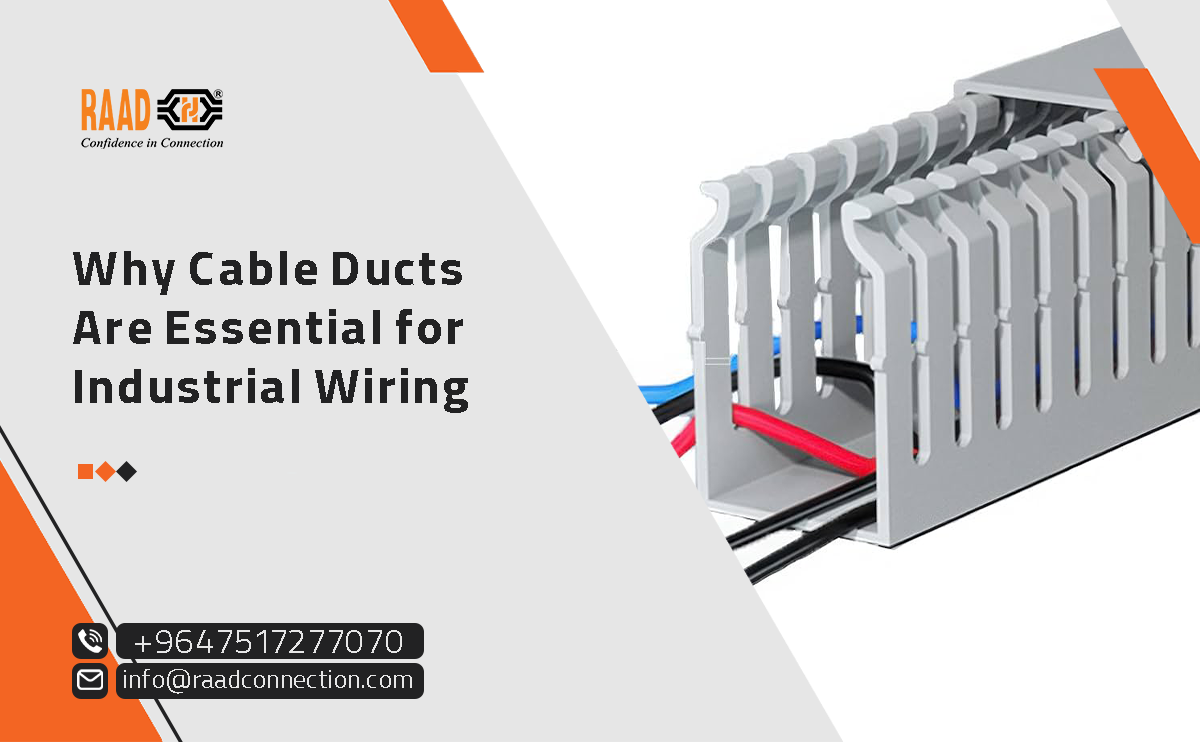
A cable duct is a structured channel, typically made from durable plastic such as PVC, used to guide and contain electrical wiring. These ducts are usually installed داخل electrical panels and come in slotted or solid designs, allowing wires to be routed in a controlled and accessible way.
The core purpose of a cable duct is to create order within complex wiring systems. In industrial panels, where dozens or even hundreds of wires are interconnected, having a defined path for each cable is essential. Cable ducts ensure that wires are separated, protected, and easy to trace, which simplifies both installation and future modifications.
The Real Impact of Proper Cable Management
Disorganized wiring is more than just a cosmetic issue—it can directly affect system performance. When cables are loosely arranged, they are more exposed to mechanical stress, , and interference. Over time, this can lead to insulation damage, short circuits, or unexpected downtime.
Cable ducts help mitigate these risks by keeping wires securely in place and maintaining proper spacing between them. This improves airflow the panel, reducing heat accumulation and enhancing overall system stability. Additionally, organized wiring allows technicians to quickly identify and resolve issues, minimizing downtime during maintenance.
Types of Cable Ducts Used in Industrial Applications
Different industrial environments require different types of cable ducts. The most common type is the slotted cable duct, which features side openings that allow wires to branch out at various points. This design is particularly useful in control panels where connections need to be made across multiple components.
Solid cable ducts, on the other hand, are used in applications where maximum protection is required. They provide a fully enclosed for wires, shielding them from dust, moisture, and external damage. Flexible cable ducts are also available for installations that require adaptability, especially in dynamic or environments.
Each type serves a specific purpose, and selecting the right one depends on the complexity of the system and the environmental conditions in which it operates.
Key Advantages of Using Cable Ducts
One of the most important benefits of cable ducts is improved safety. By enclosing and organizing wires, they reduce the risk of accidental contact and electrical hazards. This is particularly important in high-voltage environments where exposed wiring can pose serious risks.
Another major advantage is efficiency. Technicians can install, modify, and troubleshoot systems much faster when wires are neatly arranged. Instead of dealing with tangled , they can quickly locate specific connections and perform necessary adjustments.
Cable ducts also contribute to the longevity of electrical systems. By protecting wires from physical damage and environmental factors, they help extend the lifespan of both the cables and the overall system.
Choosing the Right Cable Duct for Your System
Selecting the appropriate cable duct requires careful consideration of several factors. The size of the duct must match the volume of wiring, allowing enough space for proper airflow and future expansion. Overfilled ducts can lead to overheating and make maintenance more difficult.
Material quality is another critical factor. High-quality ducts made from materials offer better durability and resistance to heat, chemicals, and mechanical stress. In industrial environments, where conditions can be demanding, investing in robust materials is essential.
The design of the duct should also align with the system’s requirements. Slotted designs are ideal for flexibility and accessibility, while solid ducts provide enhanced protection. Understanding the specific needs of your application will help you make the right choice.
Common Mistakes in Cable Management
One of the most frequent mistakes is underestimating the importance of planning. Installing cable ducts without a clear wiring layout can lead to overcrowding and inefficient routing. Another common issue is choosing ducts that are too small, leaving no room for future modifications.
Neglecting proper installation is also a major concern. Even the best cable duct will not perform effectively if it is not securely mounted or properly aligned. Attention to detail during installation is key to achieving the full benefits of cable management.
The Future of Cable Management in Industry
As industrial systems become more advanced, the demand for smarter and more efficient cable management solutions continues to grow. Modern cable ducts are being designed with improved materials, modular structures, and easier installation methods.
There is also a growing focus on compact designs that maximize space control panels while maintaining high performance. These innovations are helping industries achieve greater efficiency without compromising safety or reliability.
Cable ducts may not be the most visible component in an industrial electrical system, but their impact is undeniable. They bring structure to complexity, enhance safety, and make systems easier to manage and maintain.
By investing in the right cable duct solutions and implementing proper cable management practices, businesses can significantly improve the performance and durability of their electrical systems. In the end, true efficiency is not just about power—it’s about organization.