In the world of industrial automation and electrical engineering, attention often gravitates toward large machinery and complex control systems. Yet, behind every efficient operation lies a network of small but essential components that ensure reliability, safety, and performance. From terminals to signal lights, these elements form the backbone of modern industrial infrastructure.
This article explores the critical role of industrial electrical accessories and why choosing the right components can significantly impact system efficiency and longevity.
Understanding the Foundation of Industrial Electrical Systems
Industrial electrical systems are far more than wires and power sources. They are carefully engineered networks designed to distribute electricity safely and efficiently across machinery and control units. At the heart of these systems are components that organize, connect, protect, and signal.
Why Small Components Matter
Even the most advanced machinery can fail if supporting components are unreliable. Poor-quality terminals or improperly installed ducts can lead to:
- Electrical faults
- Increased maintenance costs
- Safety hazards
- Downtime in production
This is why high-quality accessories are not optional—they are essential.
Key Components That Drive Efficiency
Let’s take a closer look at some of the most important elements used in industrial electrical setups.
Terminal Blocks: Secure and Reliable Connections
Terminal blocks are used to connect different electrical wires in a safe and organized way. They:
- Prevent loose connections
- Simplify maintenance
- Improve system clarity
A well-designed terminal system ensures that electrical connections remain stable even in high-vibration environments.
DIN Rails: The Backbone of Panel Mounting
DIN rails provide a standardized way to mount electrical components inside control panels. Their benefits include:
- Easy installation and removal
- Modular design flexibility
- Space optimization
Without DIN rails, organizing complex control panels would be significantly more difficult.
Cable Ducts
Cable ducts (also known as wiring ducts) are essential for managing and protecting wires. They:
- Keep wiring neat and organized
- Reduce the risk of short circuits
- Improve airflow and heat dissipation
Proper cable management not only enhances safety but also makes troubleshooting faster and easier.
Signal Lights: Communication at a Glance
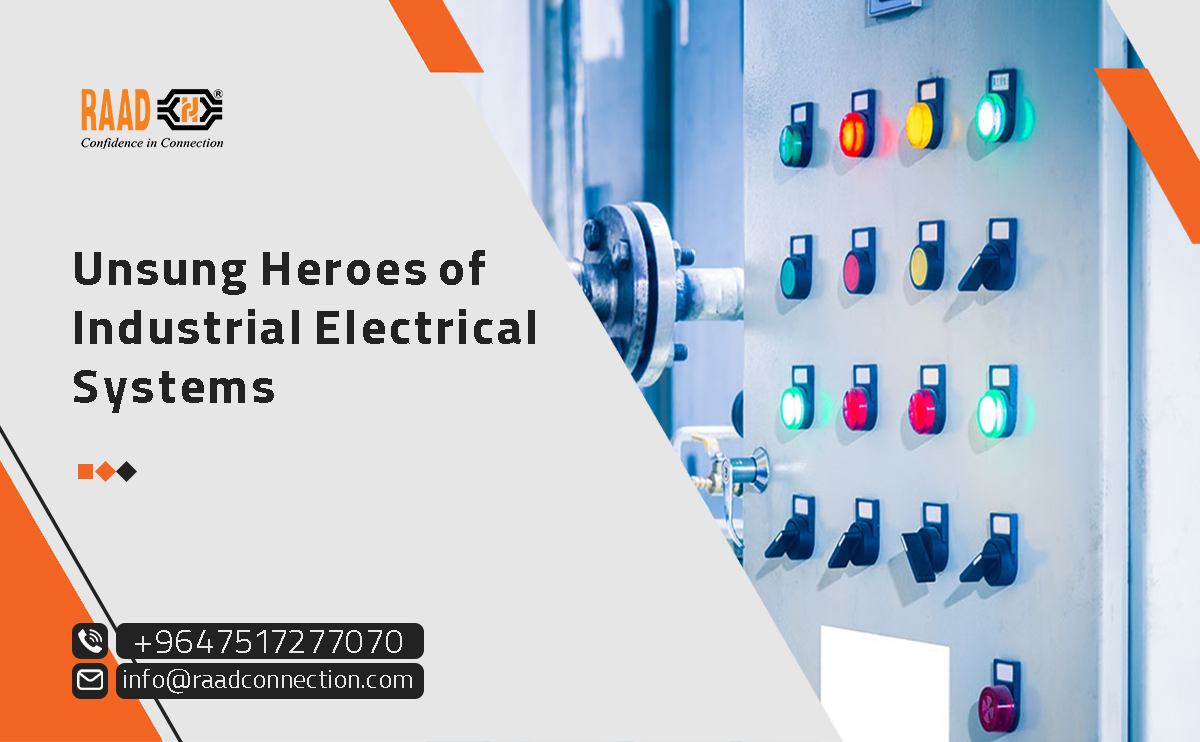
In industrial environments, quick visual communication is crucial. Signal lights provide immediate information about machine status, such as:
- Power on/off
- System errors
- Operational states
These lights help operators respond quickly, reducing downtime and preventing potential damage.
The Role of Quality in Industrial Components
Not all electrical accessories are created equal. کیفیت ساخت و طراحی نقش بسیار مهمی در عملکرد سیستم دارد.
What Defines a High-Quality Component?
When selecting industrial electrical products, consider:
- Material durability (resistance to heat and corrosion)
- Compliance with international standards
- Ease of installation
- Long operational lifespan
Investing in quality components reduces long-term costs and increases system reliability.
Best Choose
Choosing the right components requires a clear understanding of your system’s needs.
Factors to Consider
- Application type
- Environmental conditions
- Electrical load
- Scalability
By evaluating these factors, businesses can ensure optimal performance and avoid costly upgrades later.
Innovation in Industrial Electrical Accessories
The industry is evolving rapidly with the introduction of smarter and more efficient solutions.
Trends to Watch
- Smart monitoring components
- Tool-less installation systems
- Compact and modular designs
- Eco-friendly materials
These innovations are helping industries reduce energy consumption and improve operational efficiency.
Why Reliable Suppliers Matter
Beyond the components themselves, choosing a trusted supplier is equally important. A reliable brand offers:
- Consistent product quality
- Technical support
- Wide product range
- Compliance with global standards
Working with an experienced supplier ensures that every part of your electrical system performs as expected.